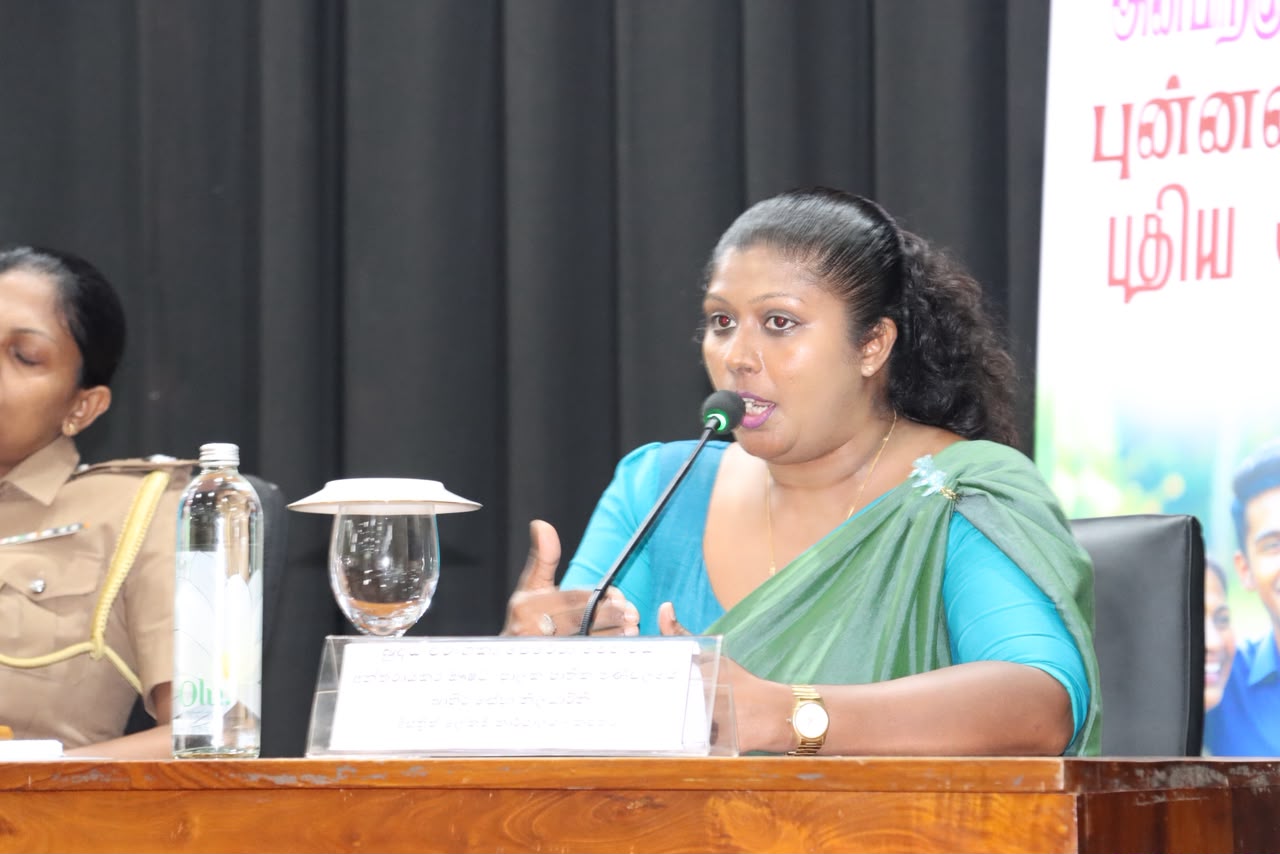
Kalutara District Programme of the National Awareness Series for Counselling Officers and Teacher-Counsellors Concludes Successfully
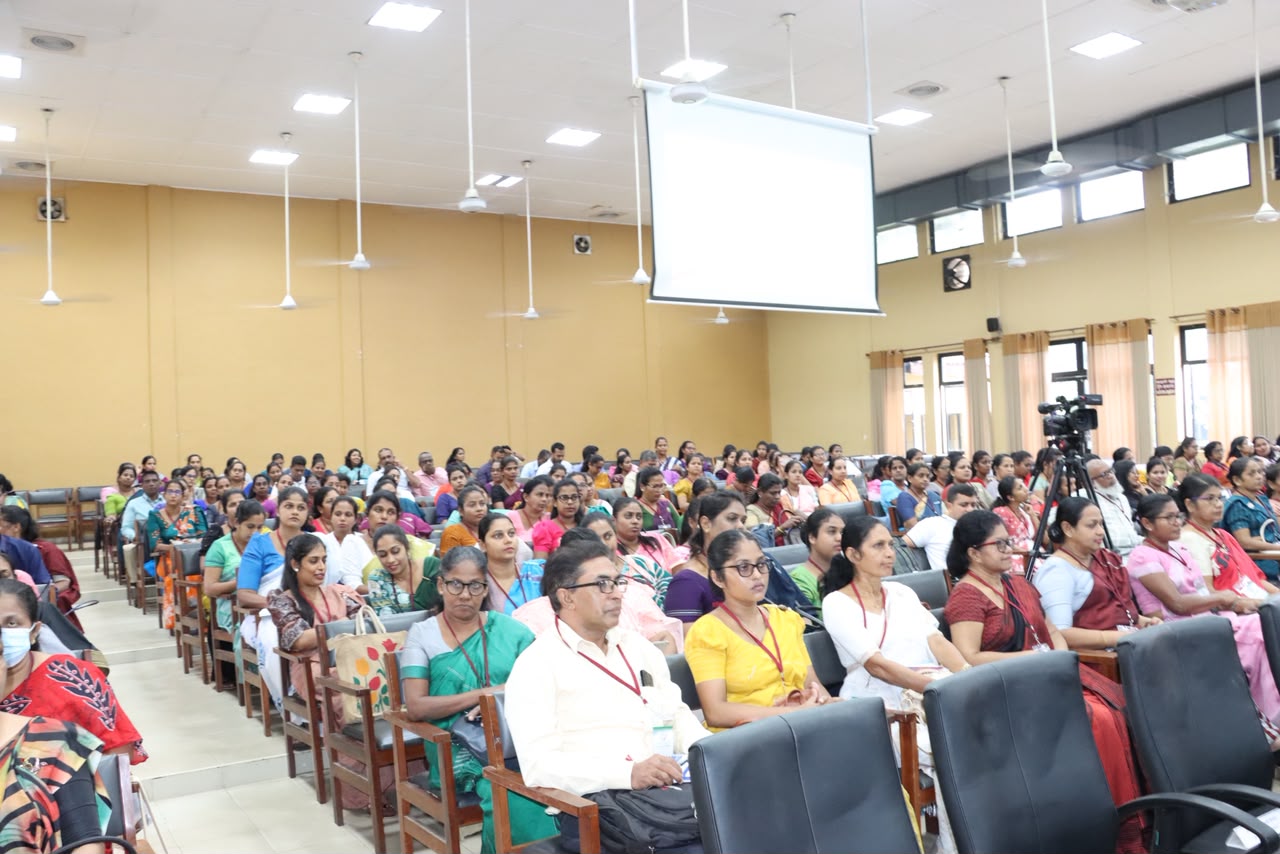
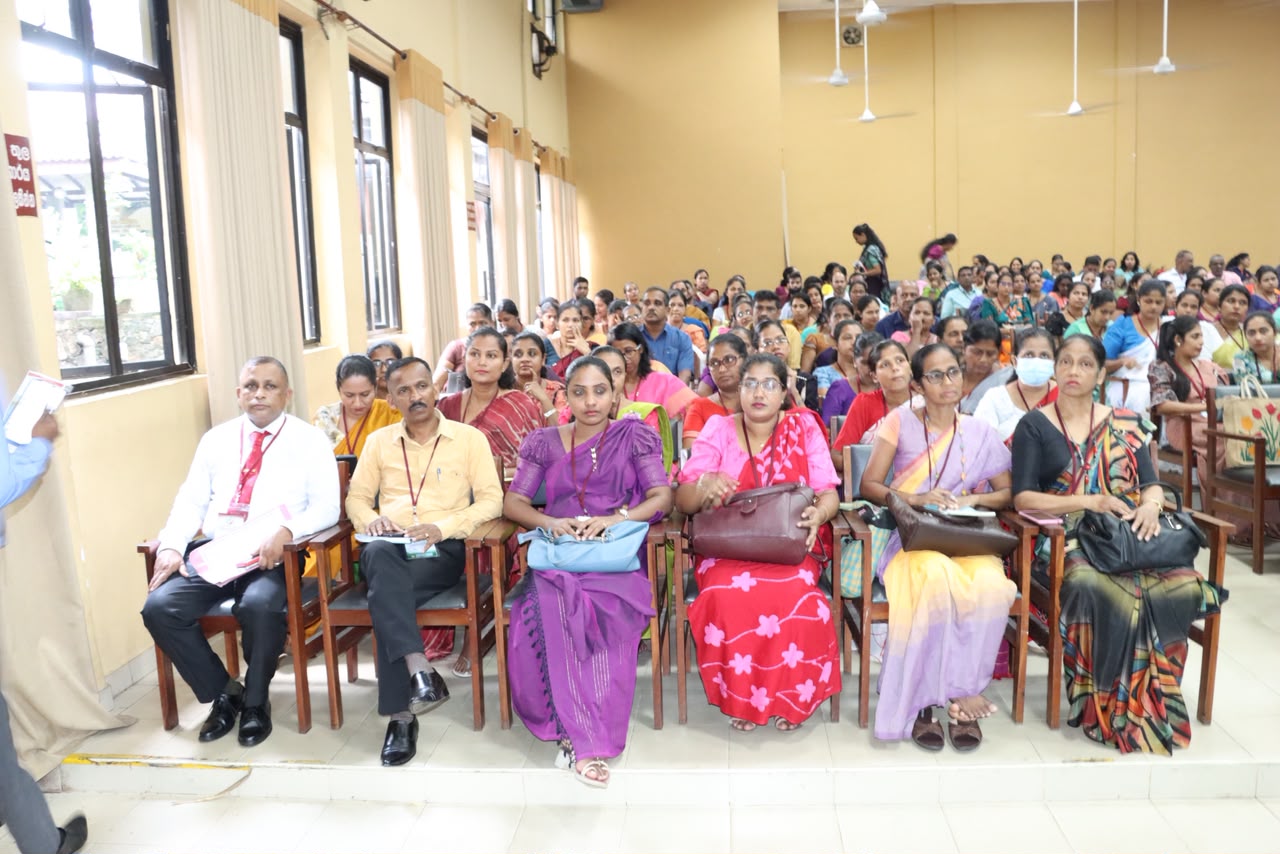
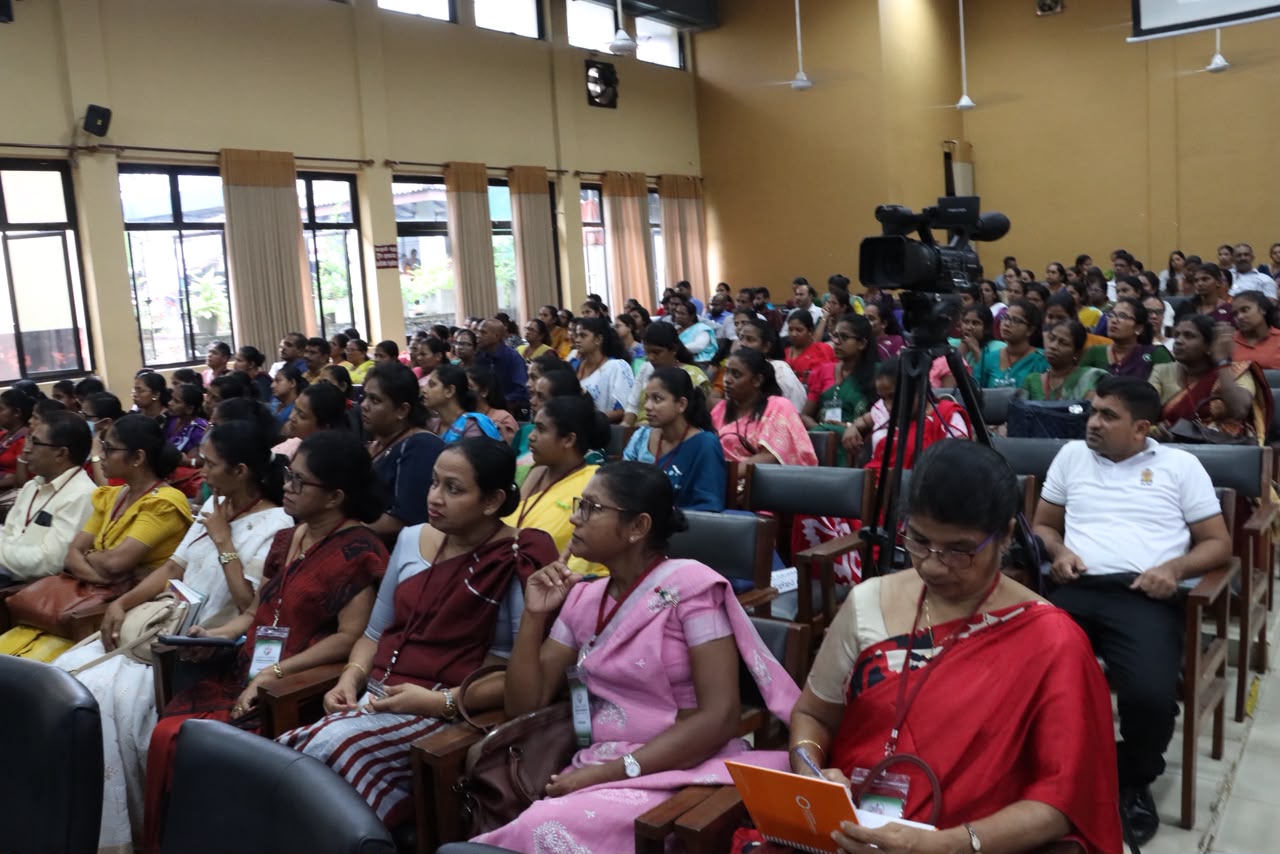
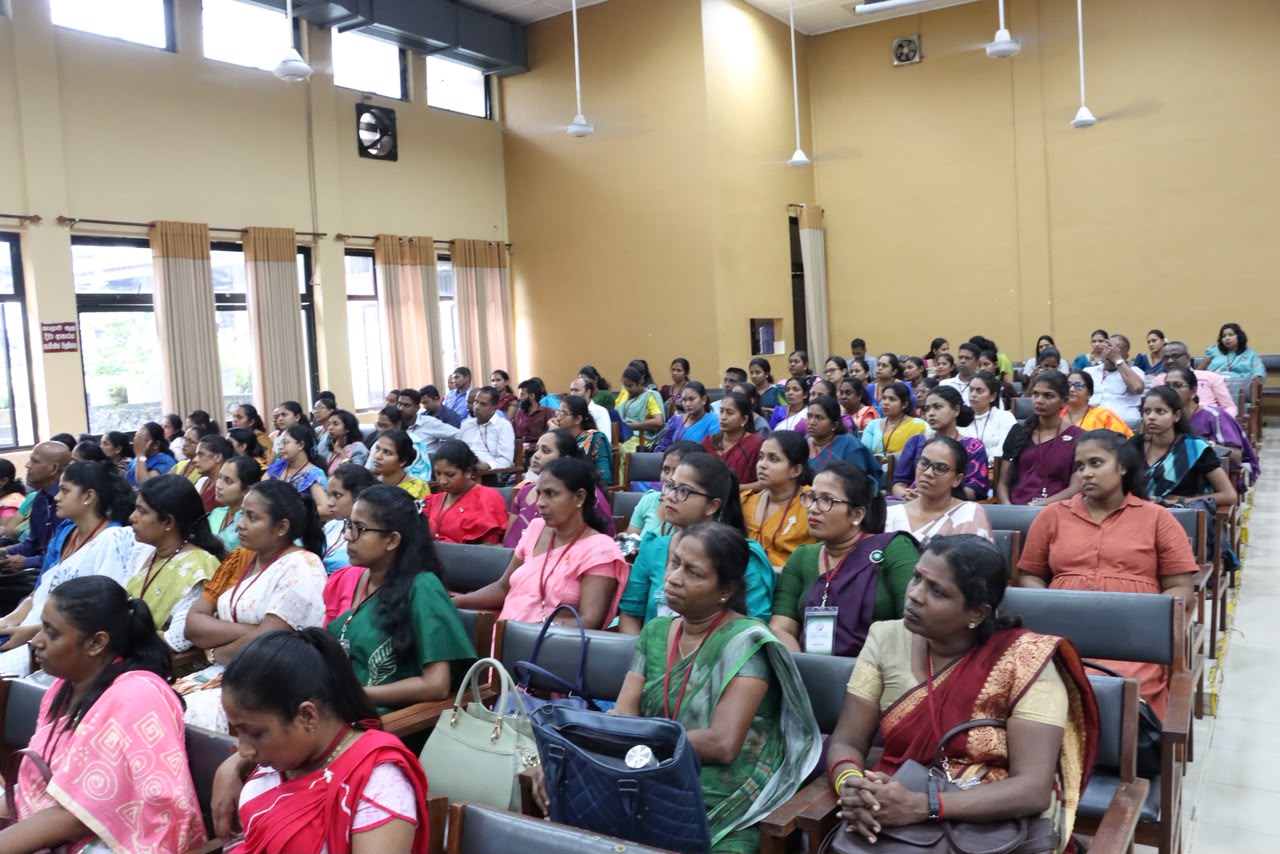
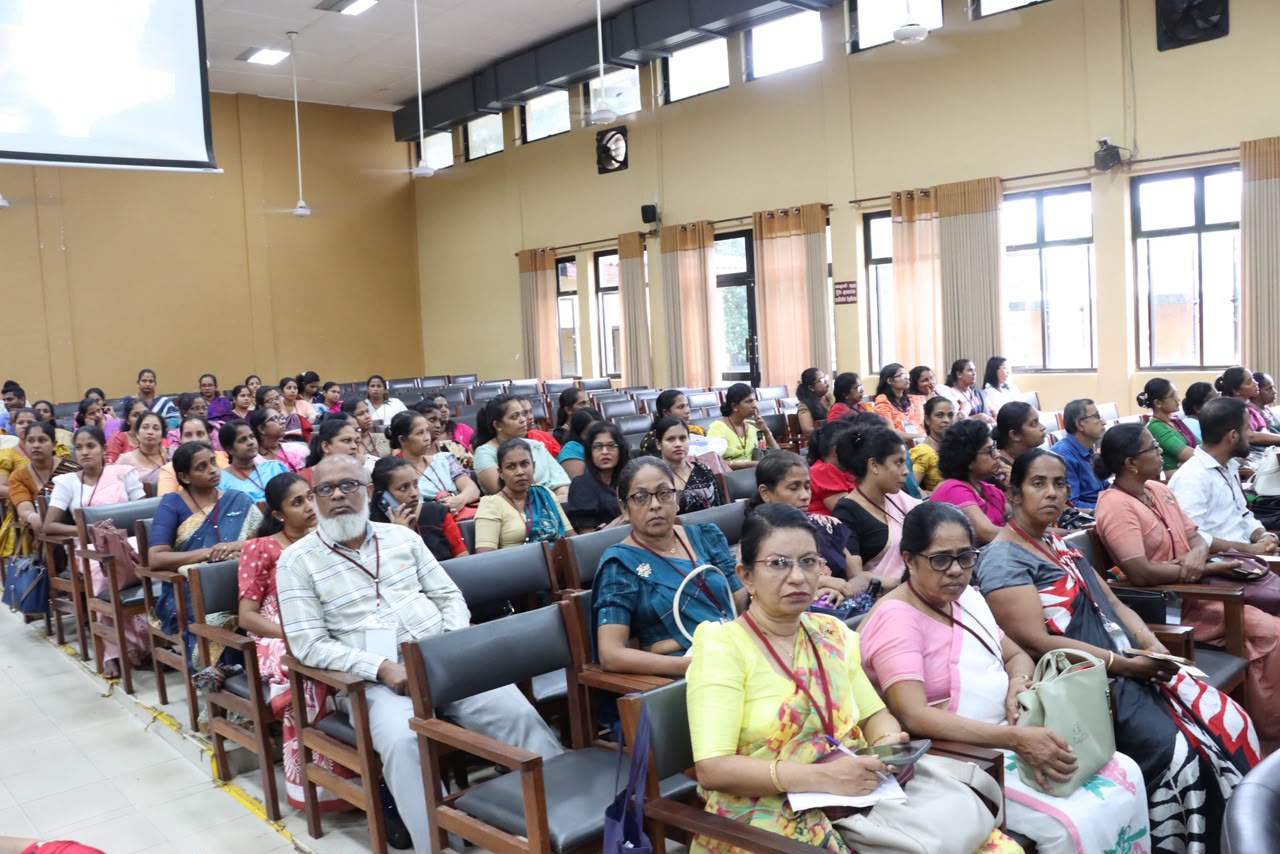
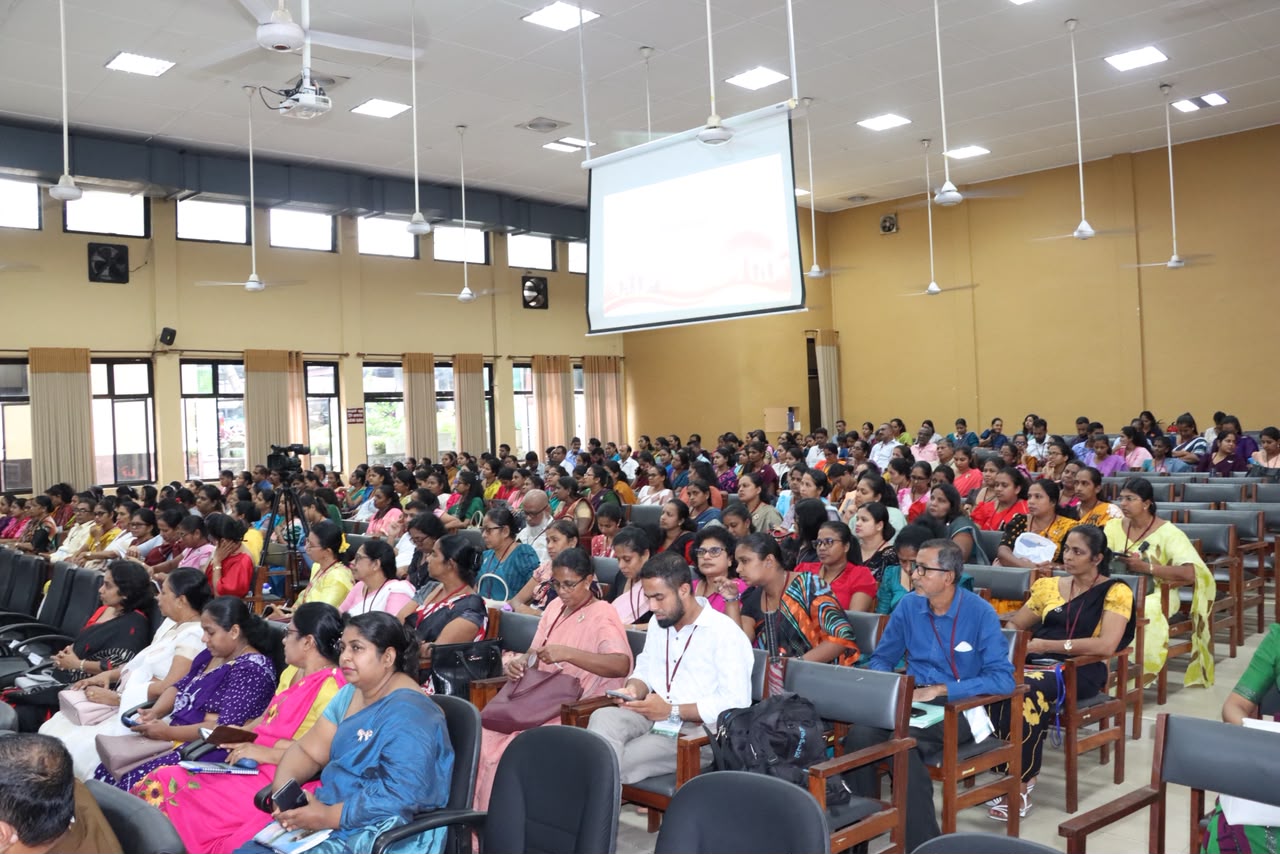
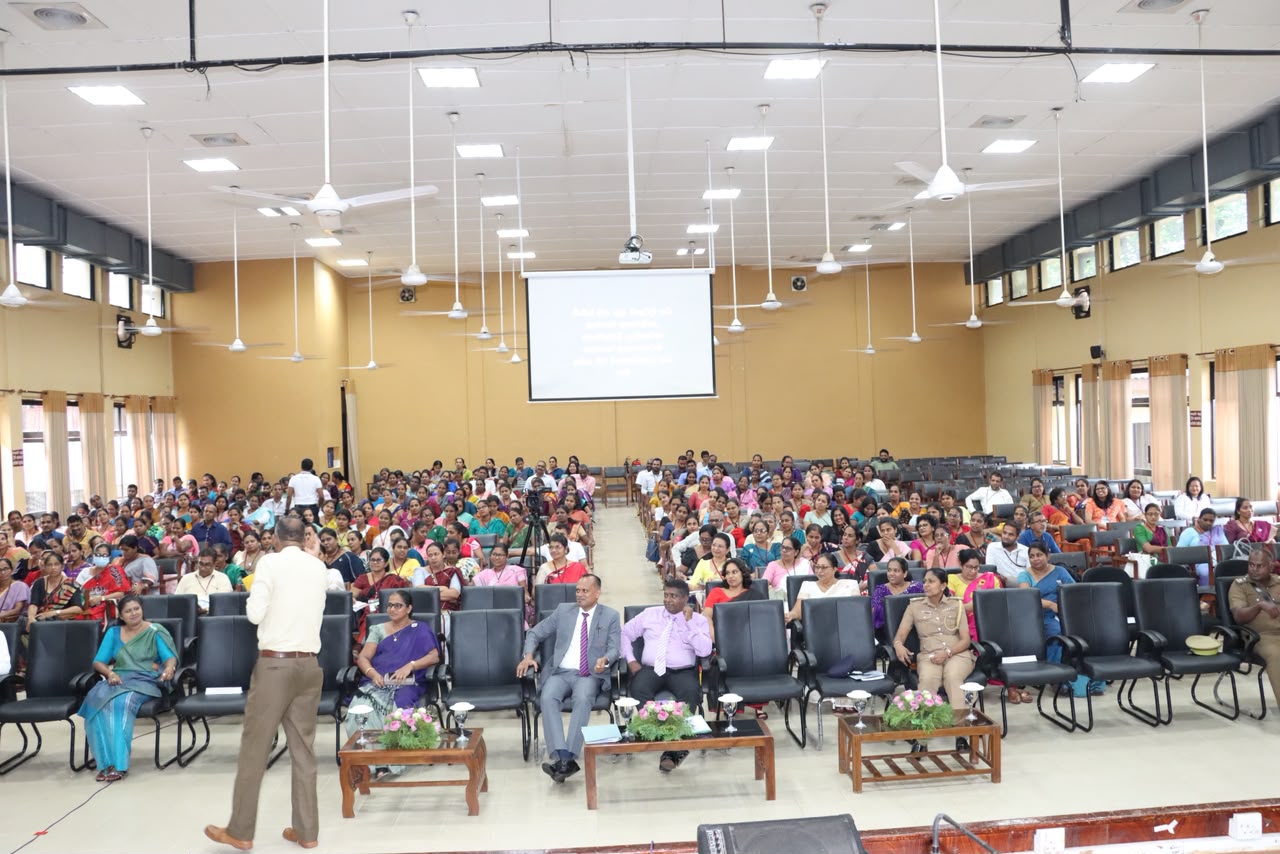
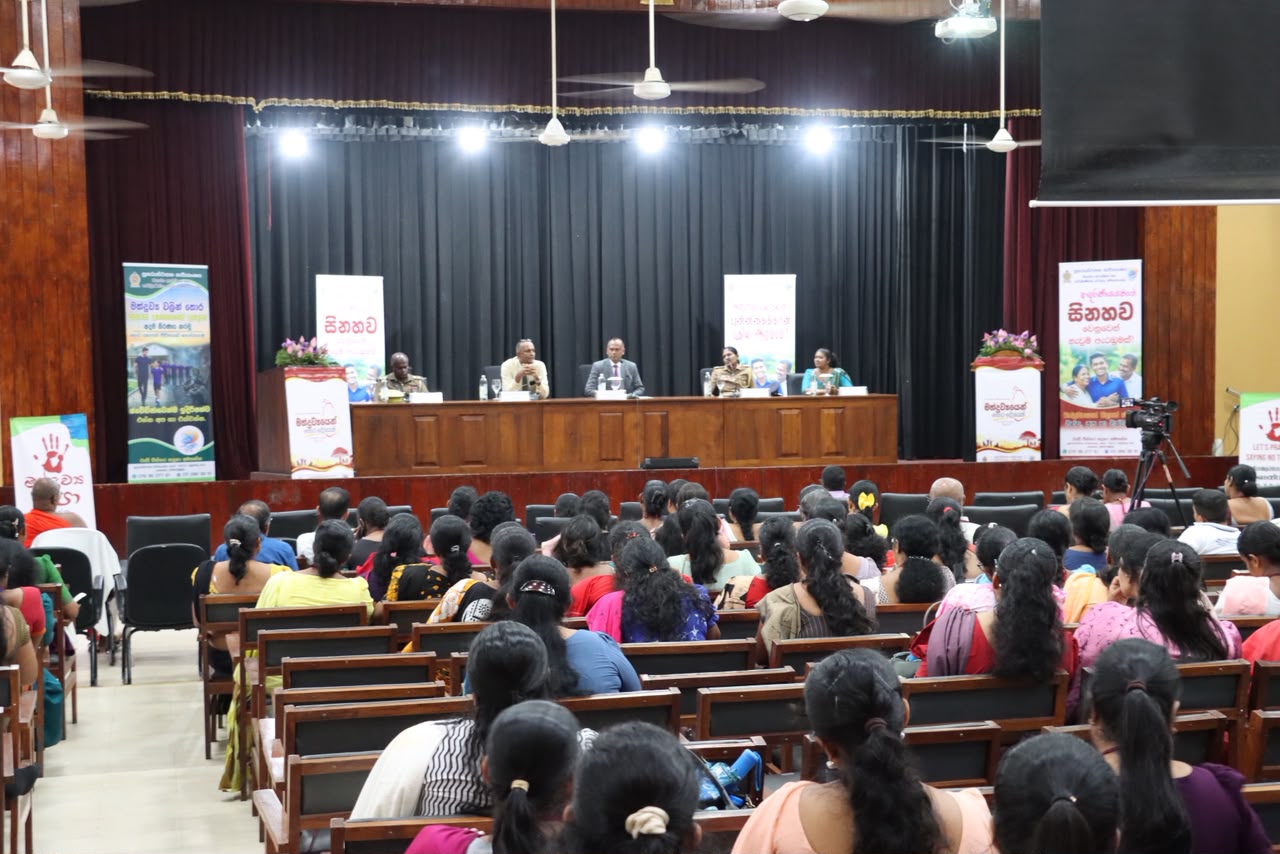
The Kalutara District programme of the national awareness series for counselling officers and teacher-counsellors—implemented by the Rehabilitation Bureau—was successfully held on 28 October 2026 at the Kalutara District Secretariat.
This initiative was conducted in parallel with the current government’s “Rata Ma Ekata” (Country Together) national drug prevention programme. Its primary objective was to secure the contributions of governmental and non-governmental organisations to eradicate the drug menace and strengthen the rehabilitation process.
The main aims of the programme were to enhance the knowledge and skills of relevant stakeholders regarding drug prevention, counselling, and rehabilitation, as well as to build an integrated network by strengthening institutional coordination for drug prevention.
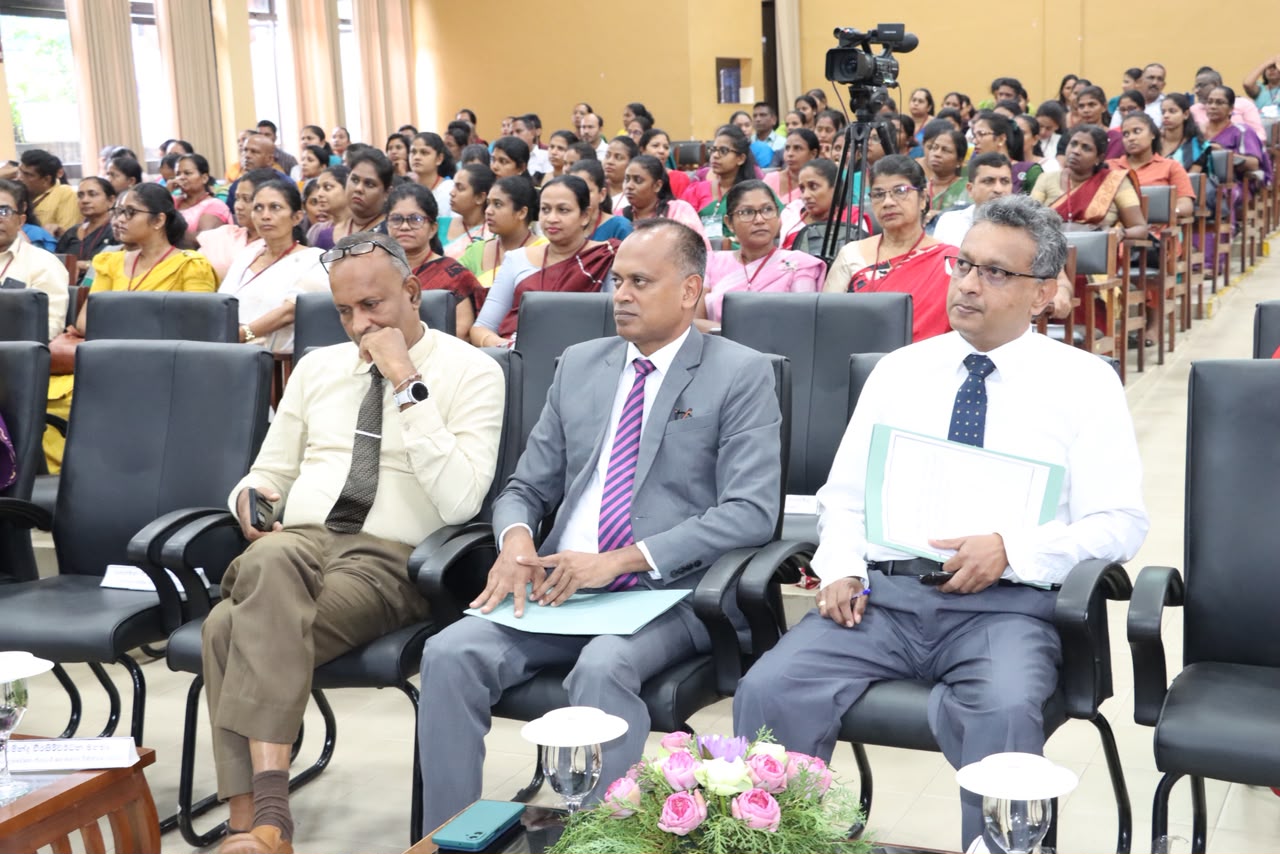
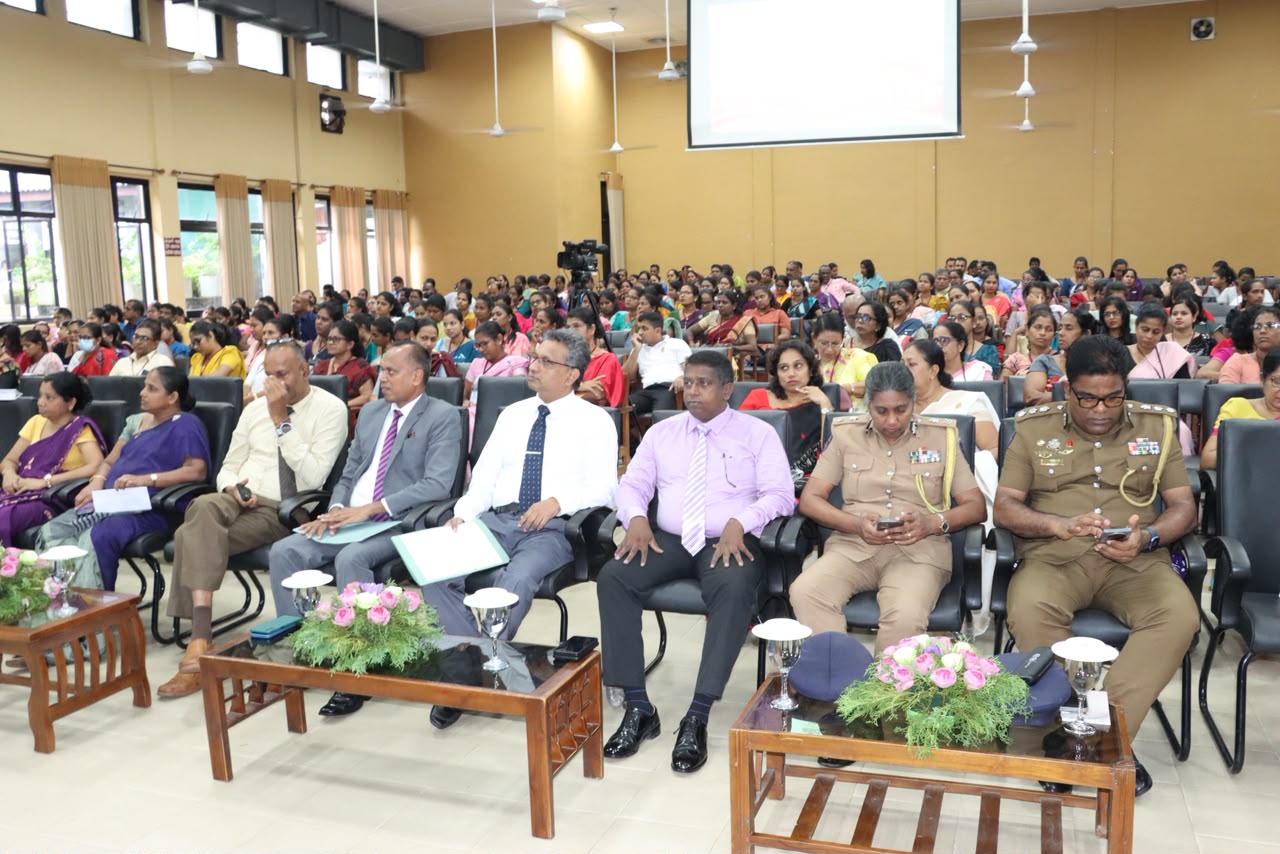
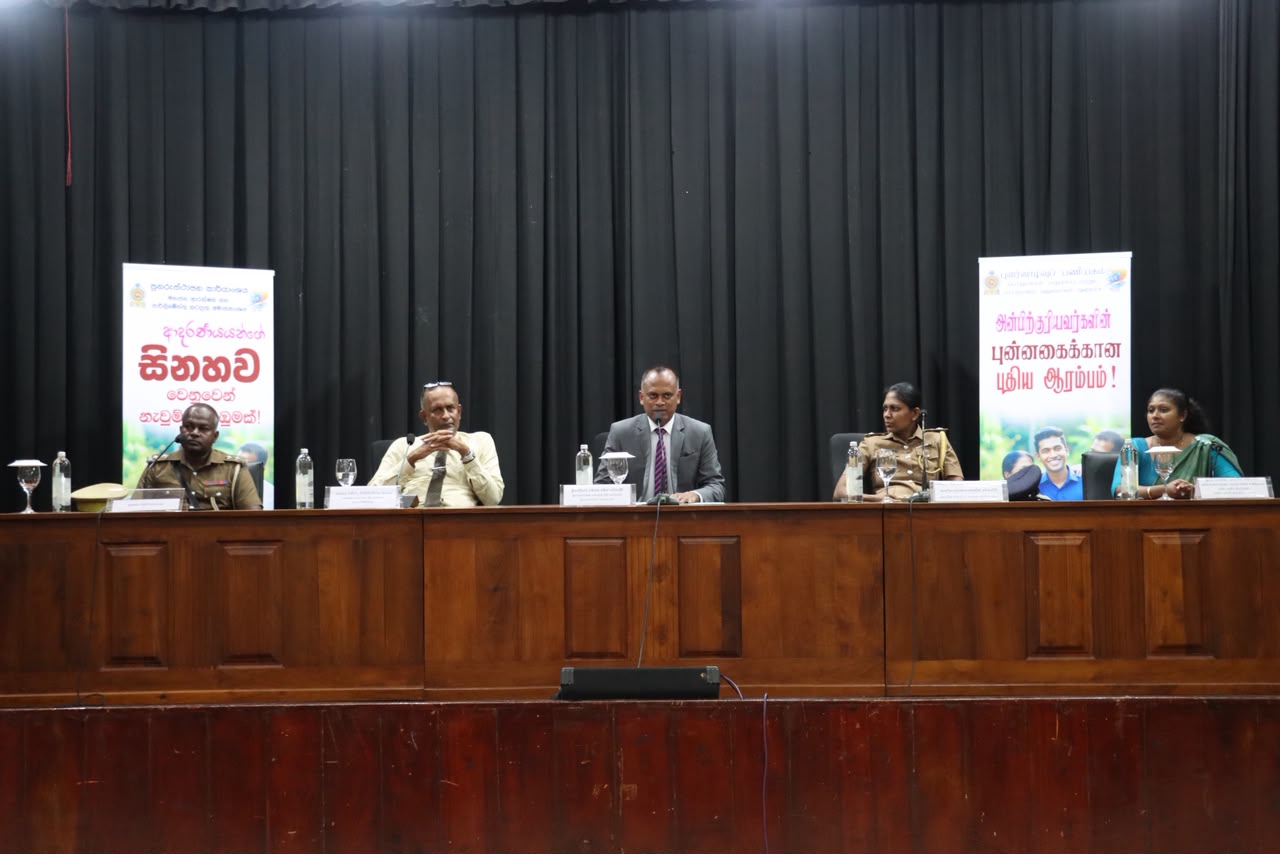
The programme was held under the patronage of the Kalutara District Secretary, Mr H. M. S. P. Herath including Brigadier M. S. Amith, Commissioner General of Rehabilitation, Brigadier Prasanna Priyalal, Additional Commissioner General of Rehabilitation, Mrs W. J. Padmini, Deputy Inspector General of Police for the Kalutara Range, Mr K. A. Udayakumara, Senior Superintendent of Police for the Kalutara Division, Mrs Mihirani Thilakaratne, Woman Assistant Superintendent of Police, Police Narcotics Bureau, Dr Chaminda Virasiriwardena, Senior Psychological Counsellor and Psychotherapist, Divisional Secretaries of the Kalutara District, Zonal Directors of Education, Mrs Buddhi Erandika of the National Dangerous Drugs Control Board, and Mr Hemantha Pradeep, Acting Chief Jailer of the Kalutara Prison, alongside numerous counselling officers and state officials.
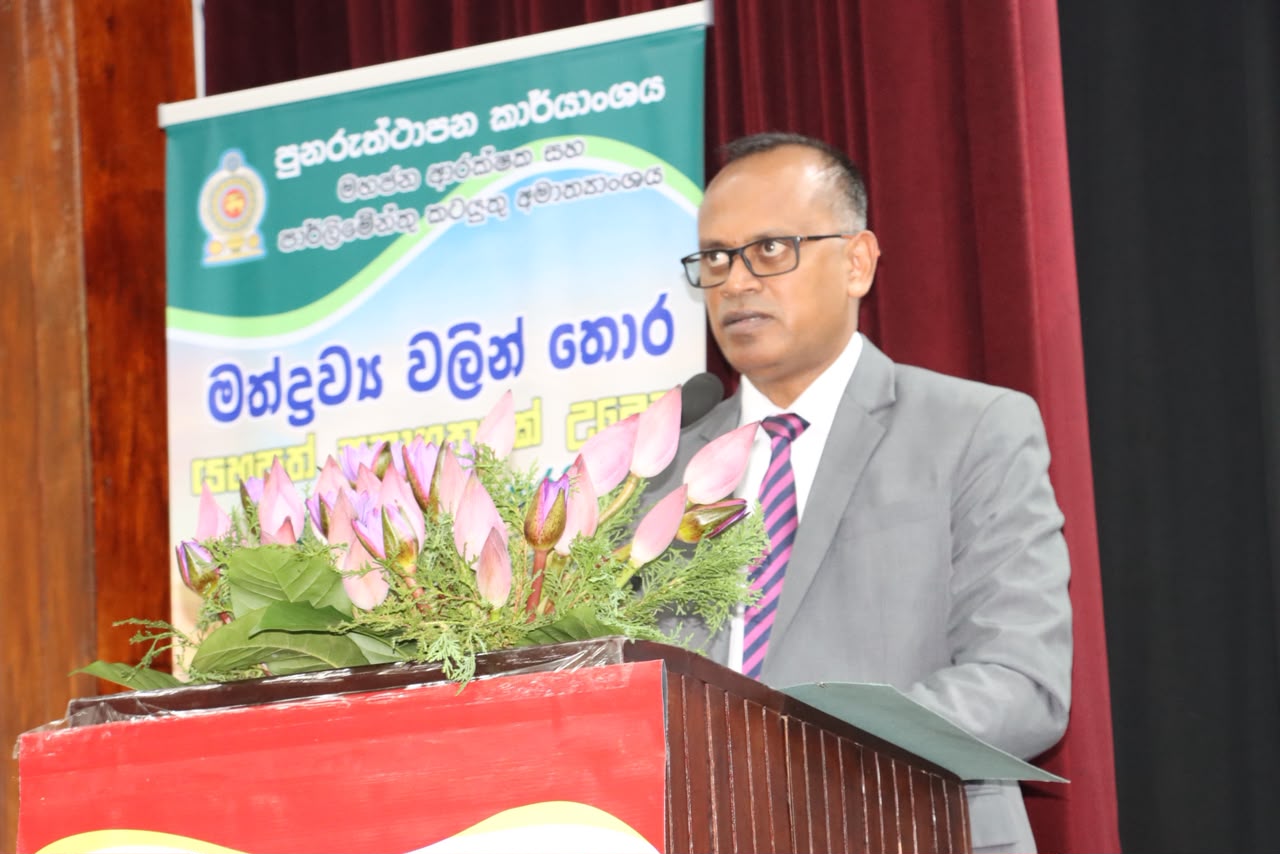
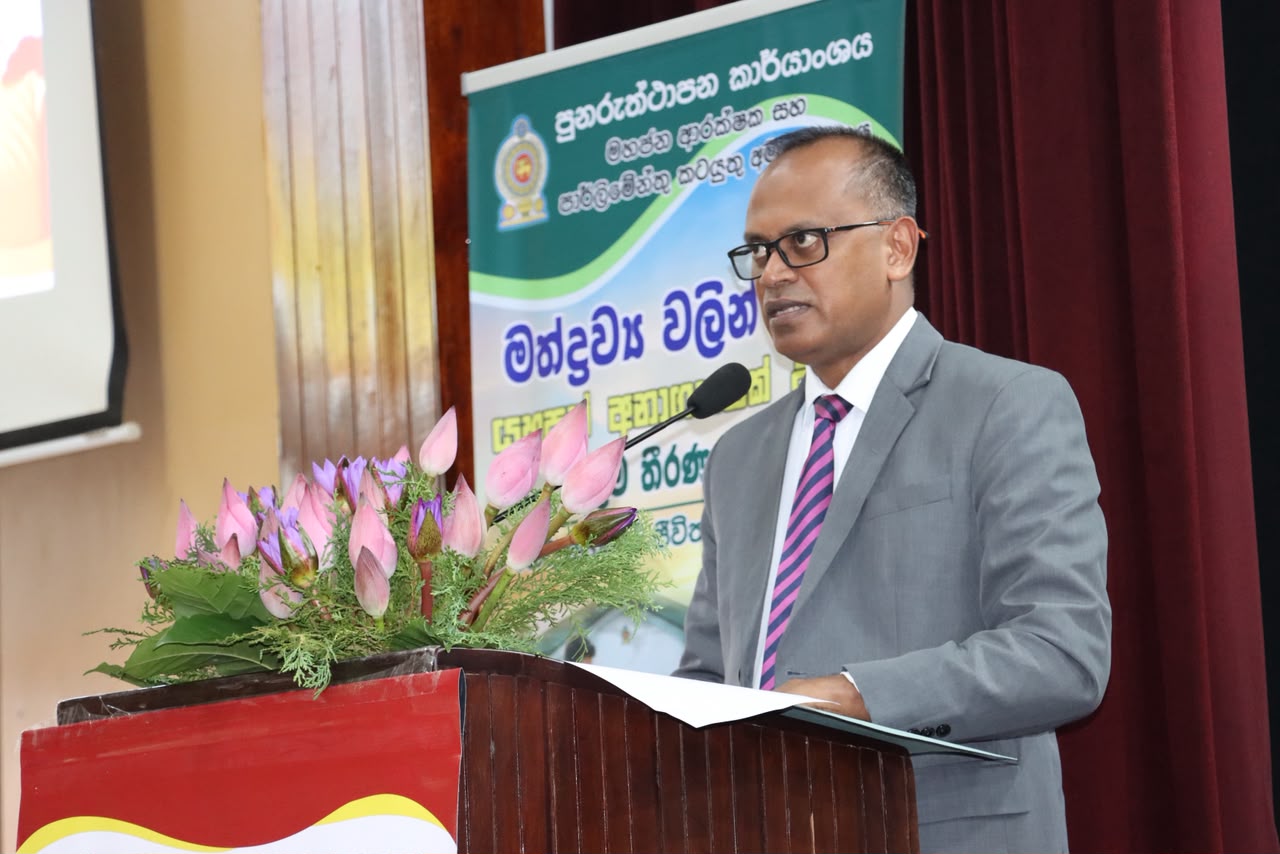
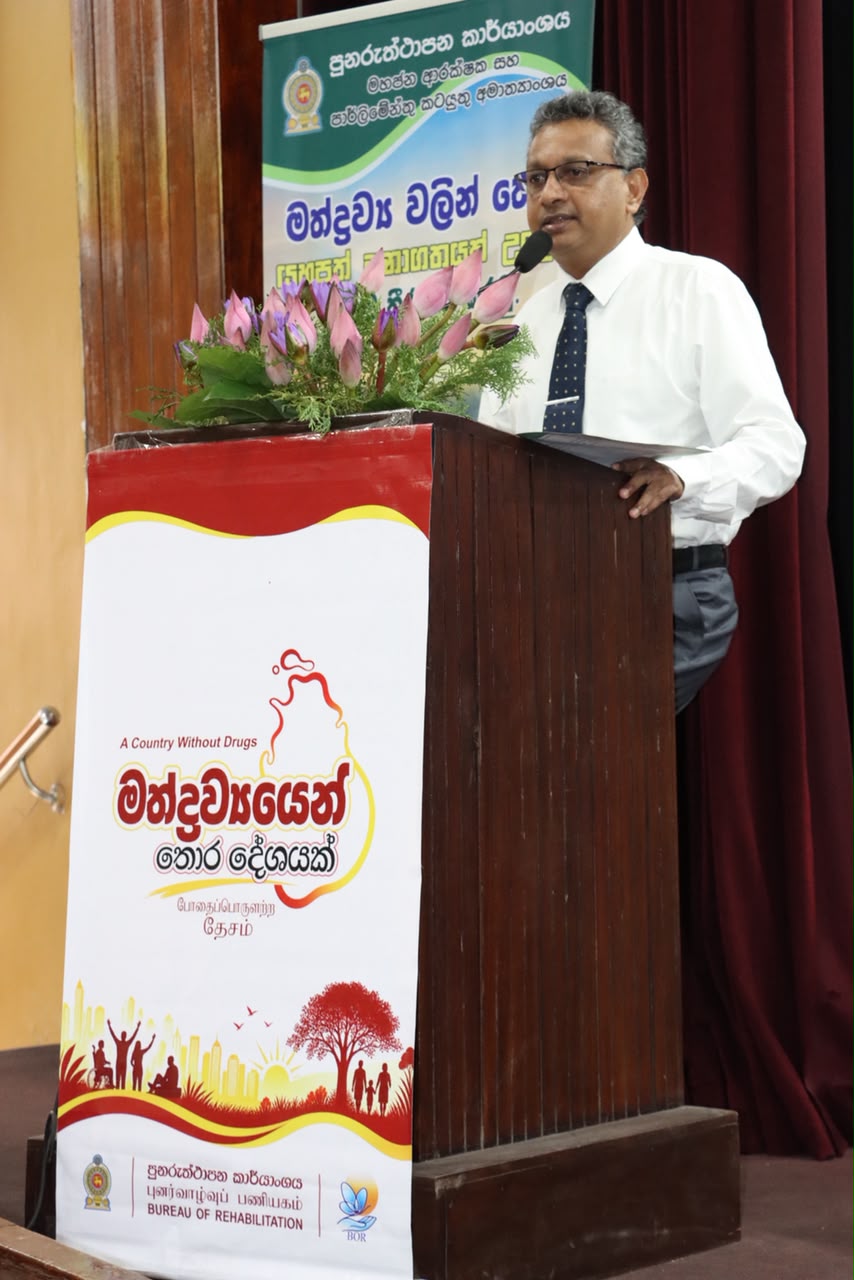
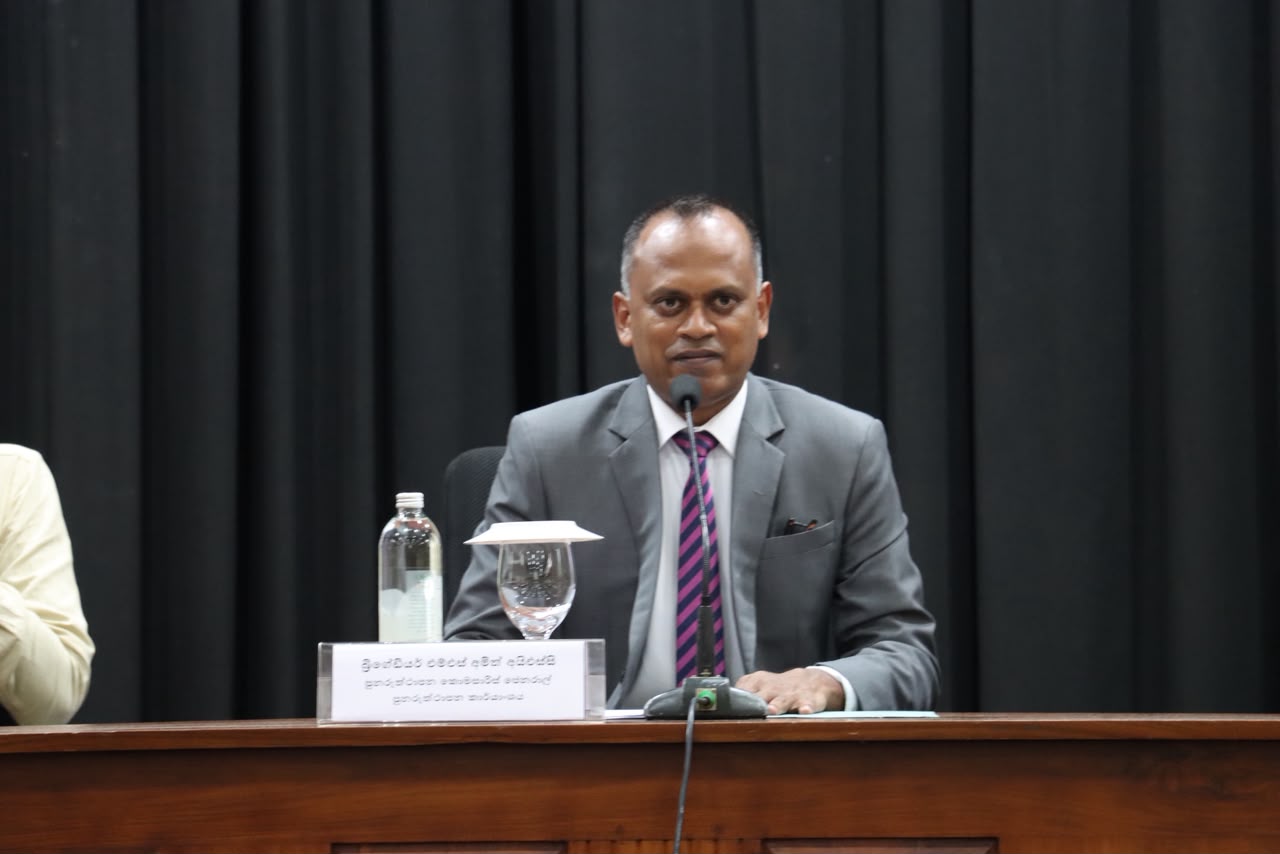
Commencing the programme, Commissioner General of Rehabilitation, Brigadier M.S. Amith, stated that the Bureau’s primary goal is to rescue drug-addicted youth and reintegrate them into a productive social life. Emphasising the vital role of counselling officers and teacher-counsellors in achieving this, he explained the need to establish district-level pools of trained counselling officers to strengthen pre- and post-rehabilitation monitoring, while also detailing plans for upcoming district rehabilitation centres.
Kalutara District Secretary, Mr H. M. S. P. Herath, emphasised the responsibility and accountability of teacher-counsellors within the educational sector in shaping good and responsible citizens. He also highlighted the importance of rescuing the younger generation of the Kalutara District from the drug menace under the “Rata Ma Ekata” national programme.
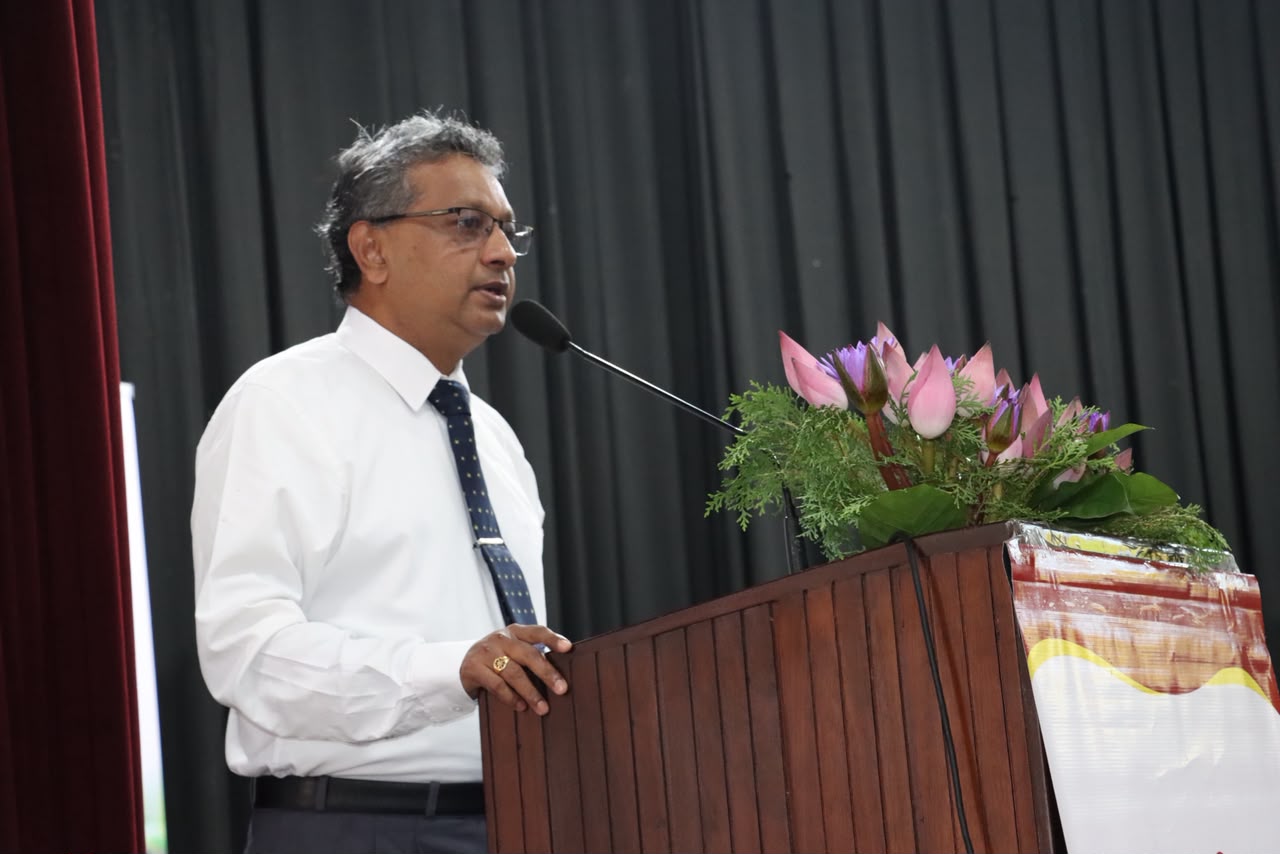
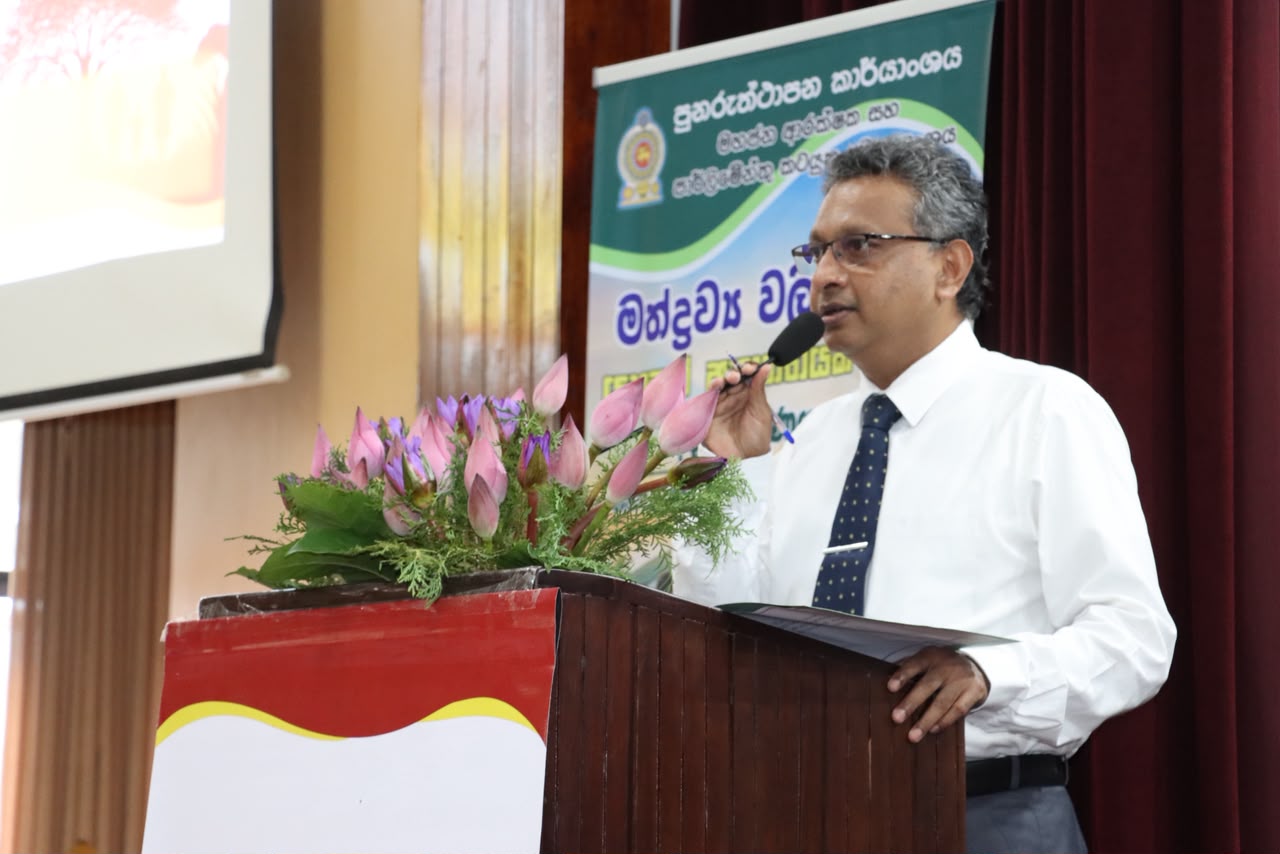
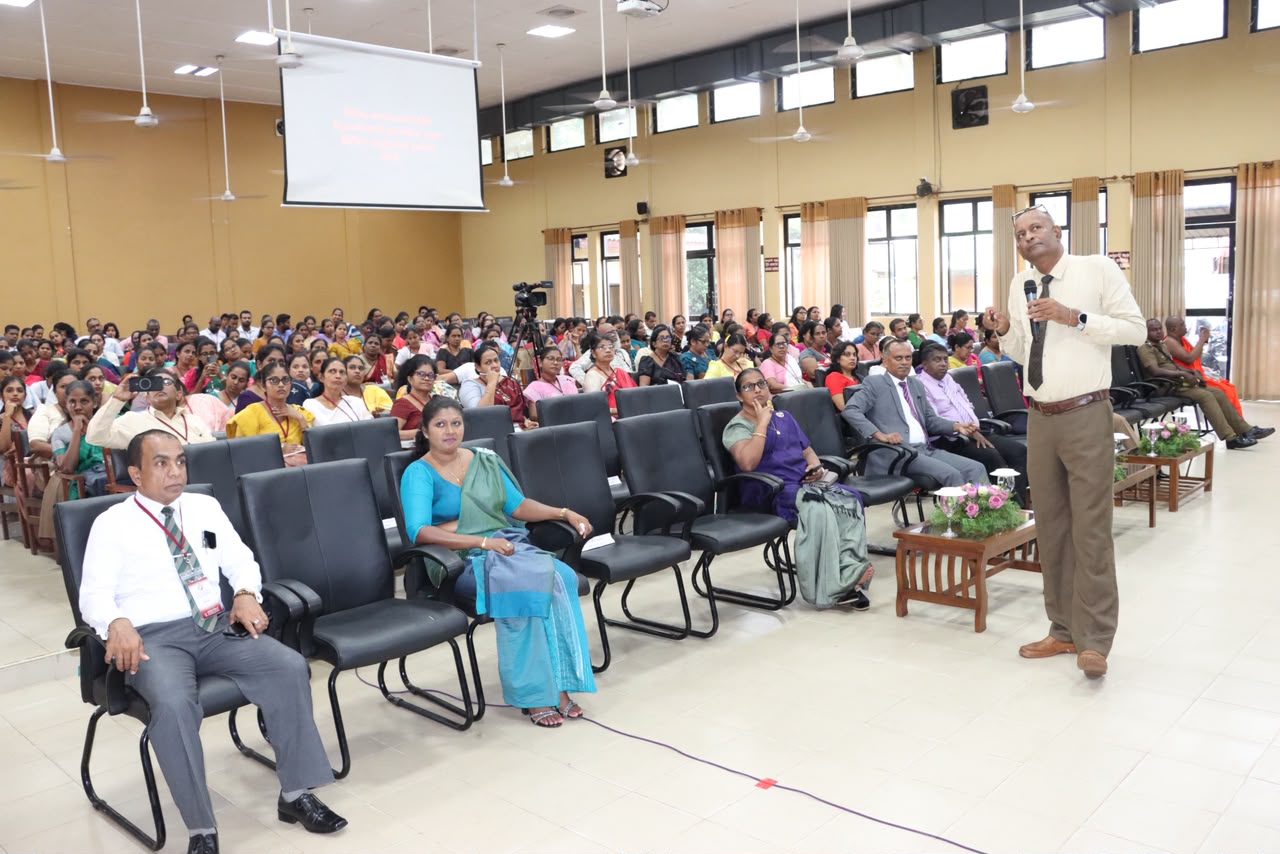
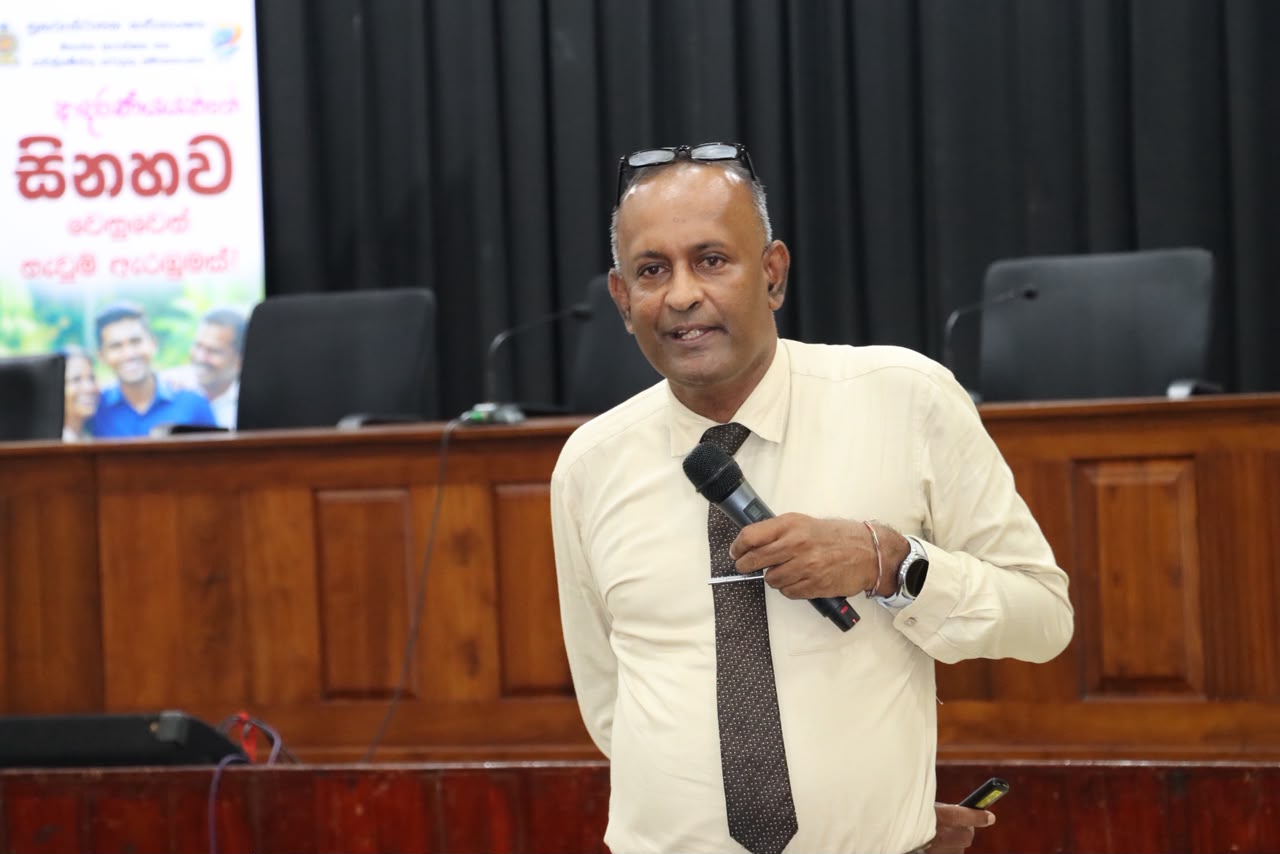
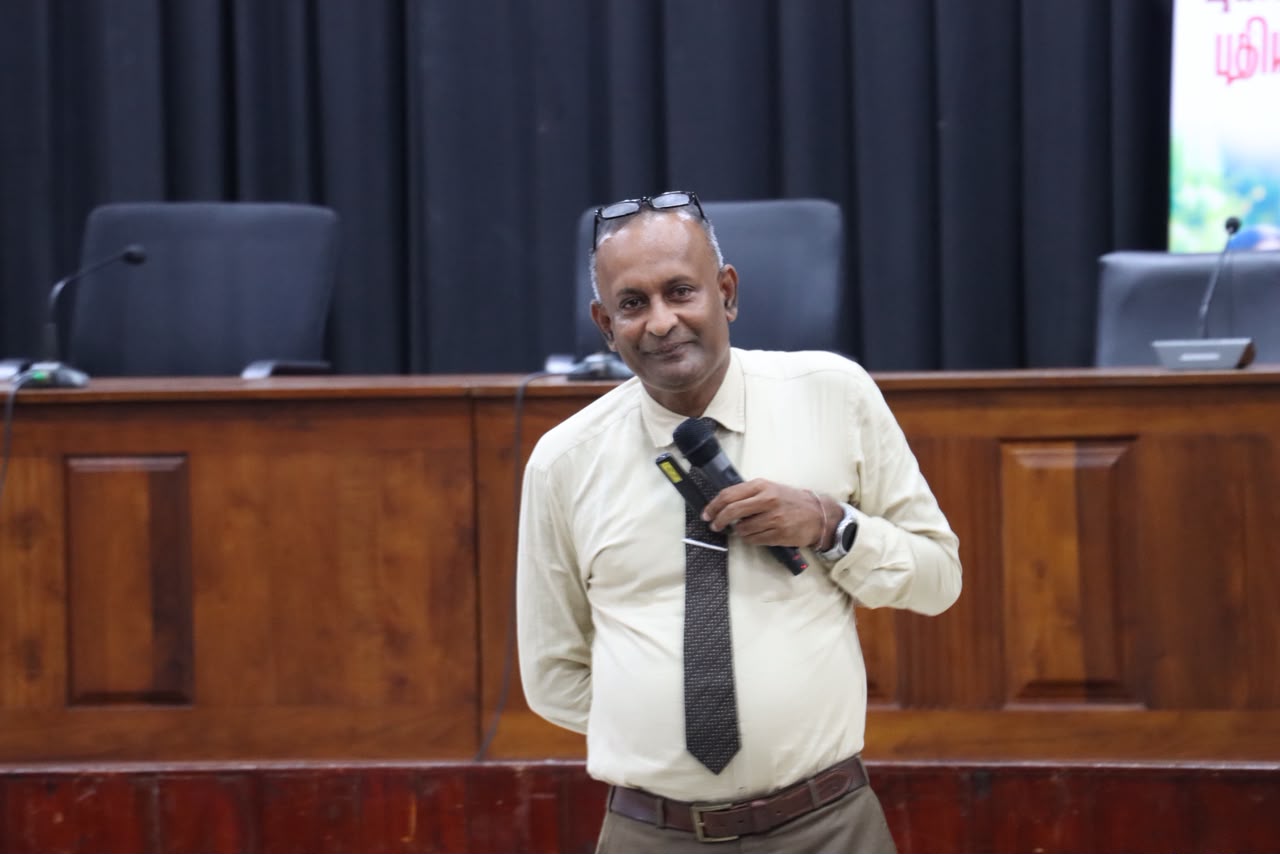
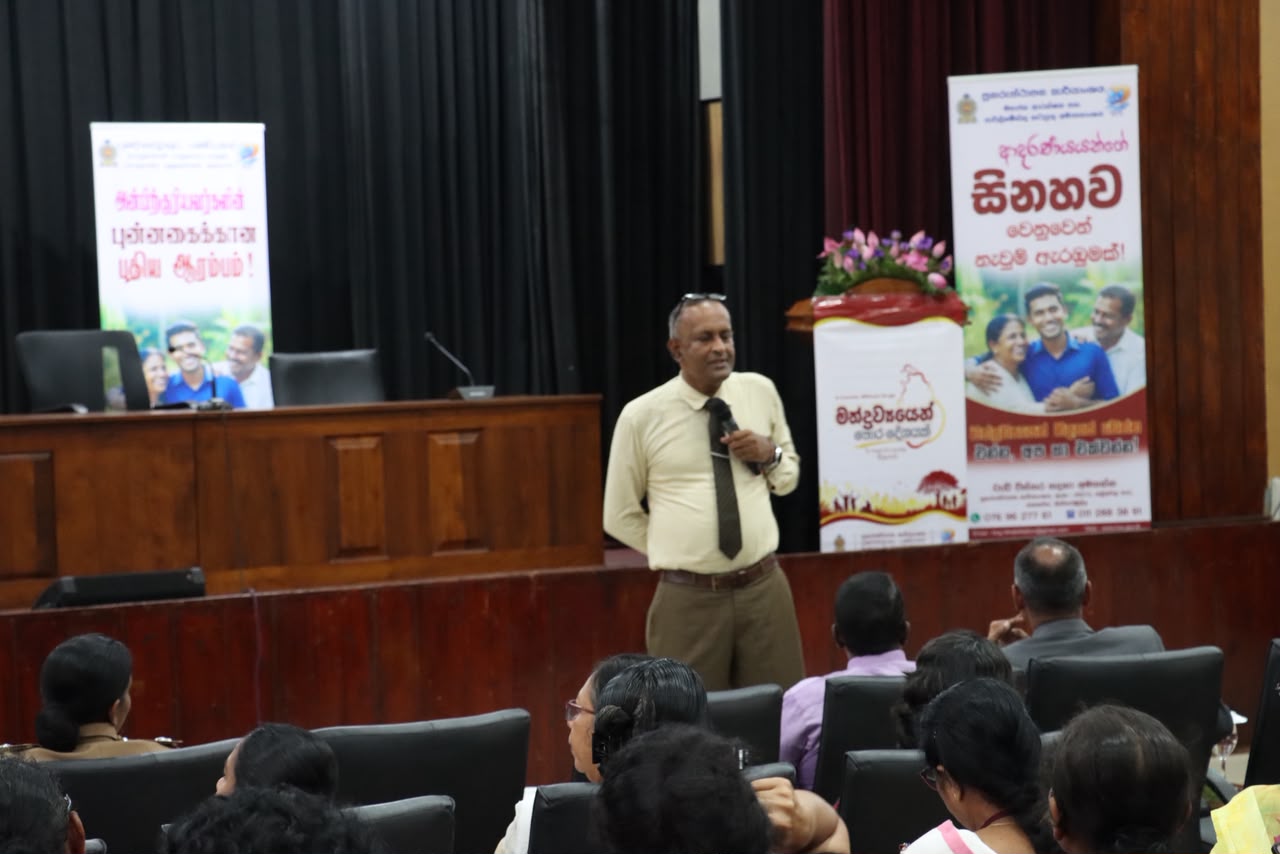
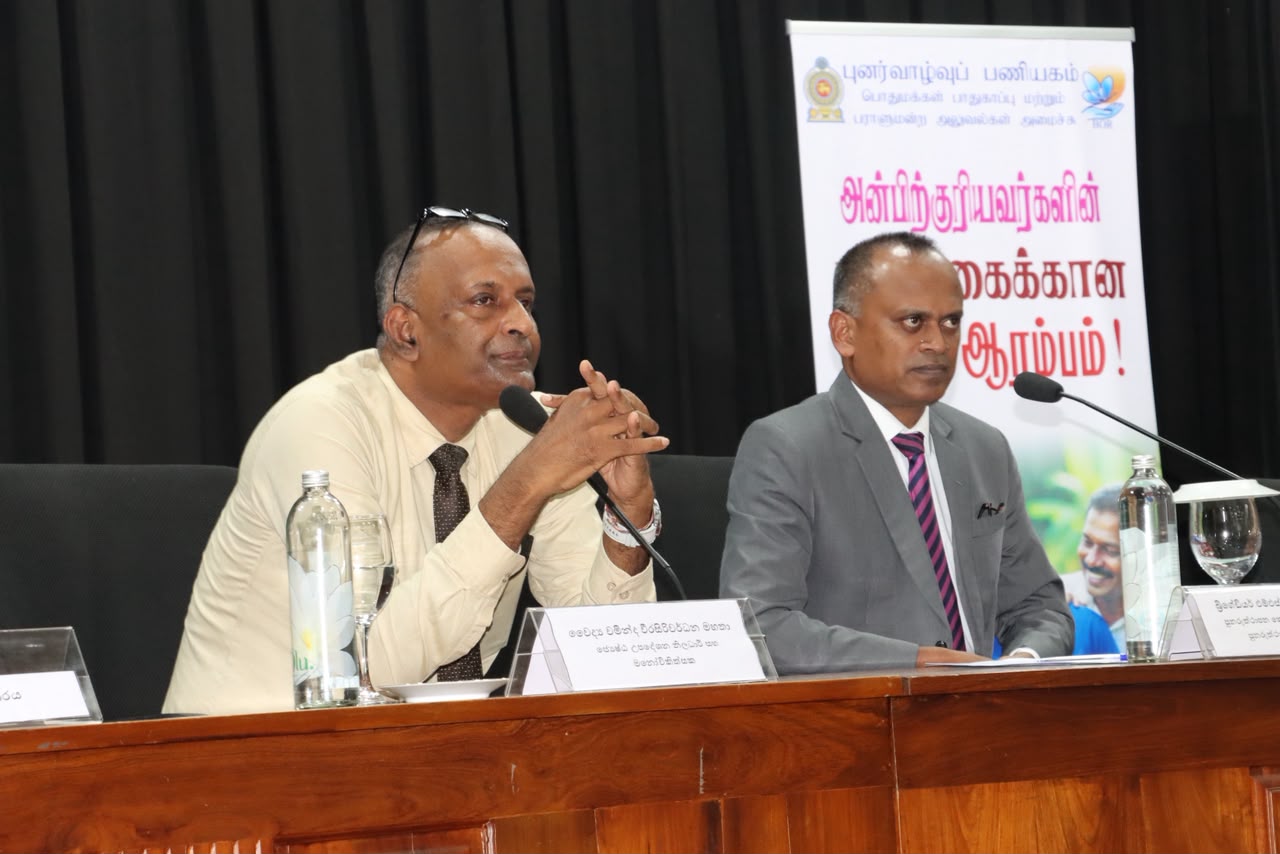
Serving as a guest speaker, Senior Psychological Counsellor and Psychotherapist Dr Chaminda Virasiriwardena delivered a psychological presentation. He covered topics including the definition of addiction, brain function and its relation to substance abuse and various forms of misconduct, emotional regulation, the classification of stress, behavioural impacts, and providing counselling to ensure secure family units.
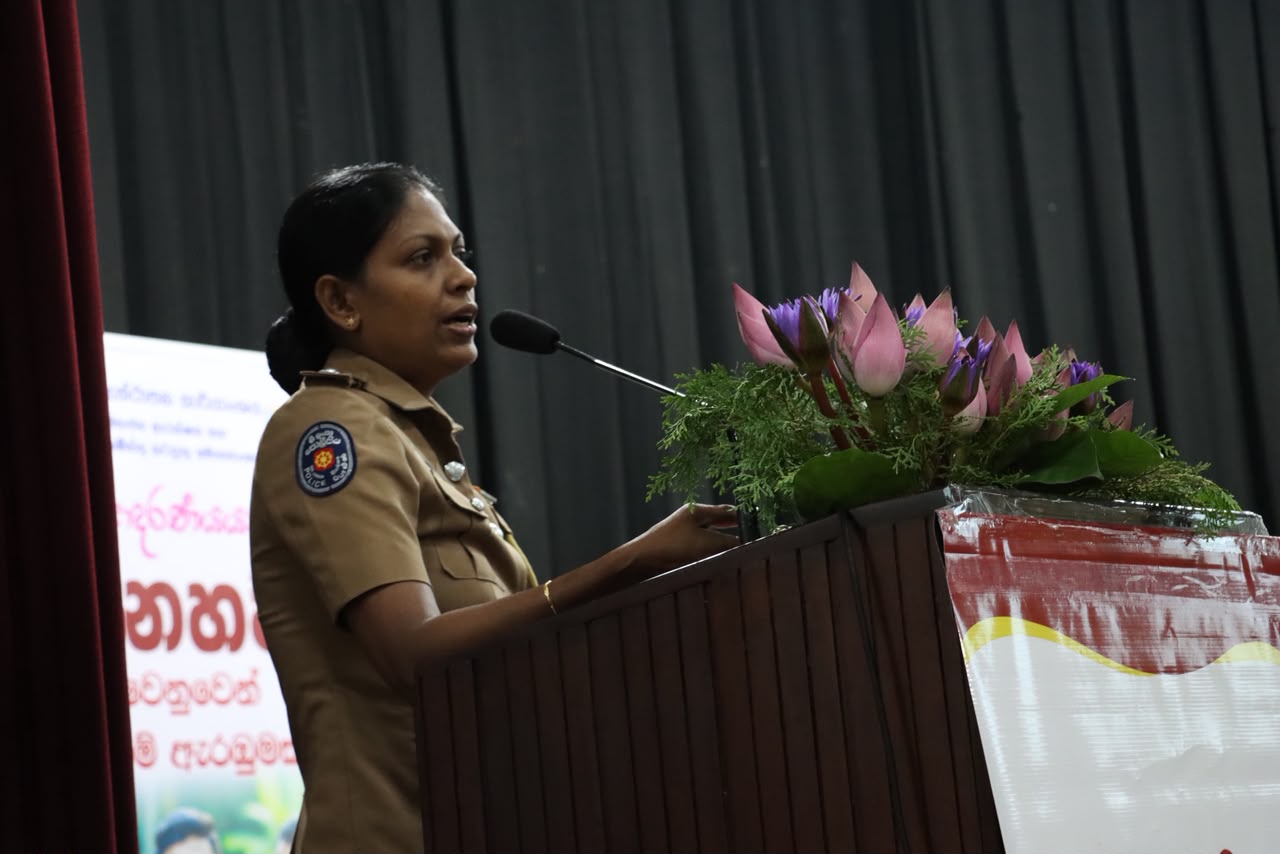
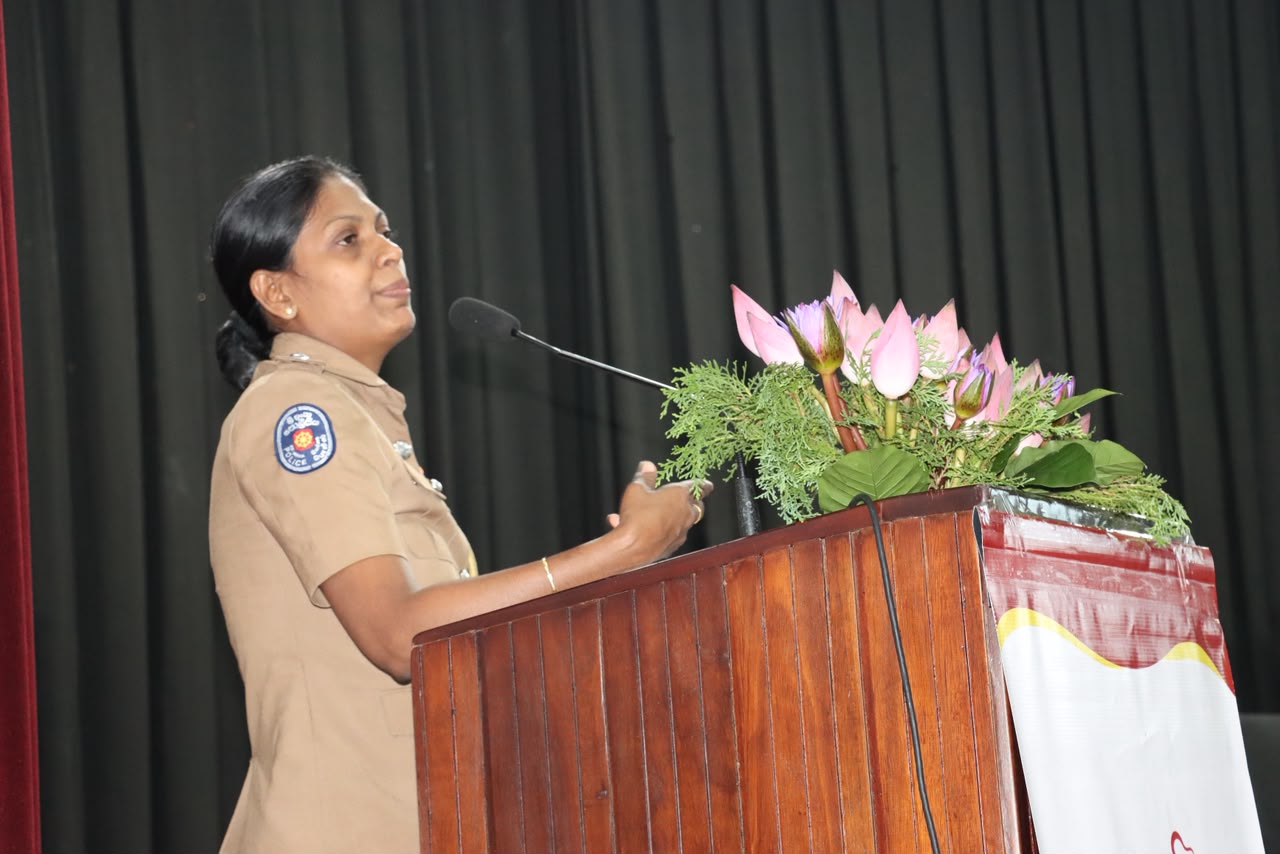
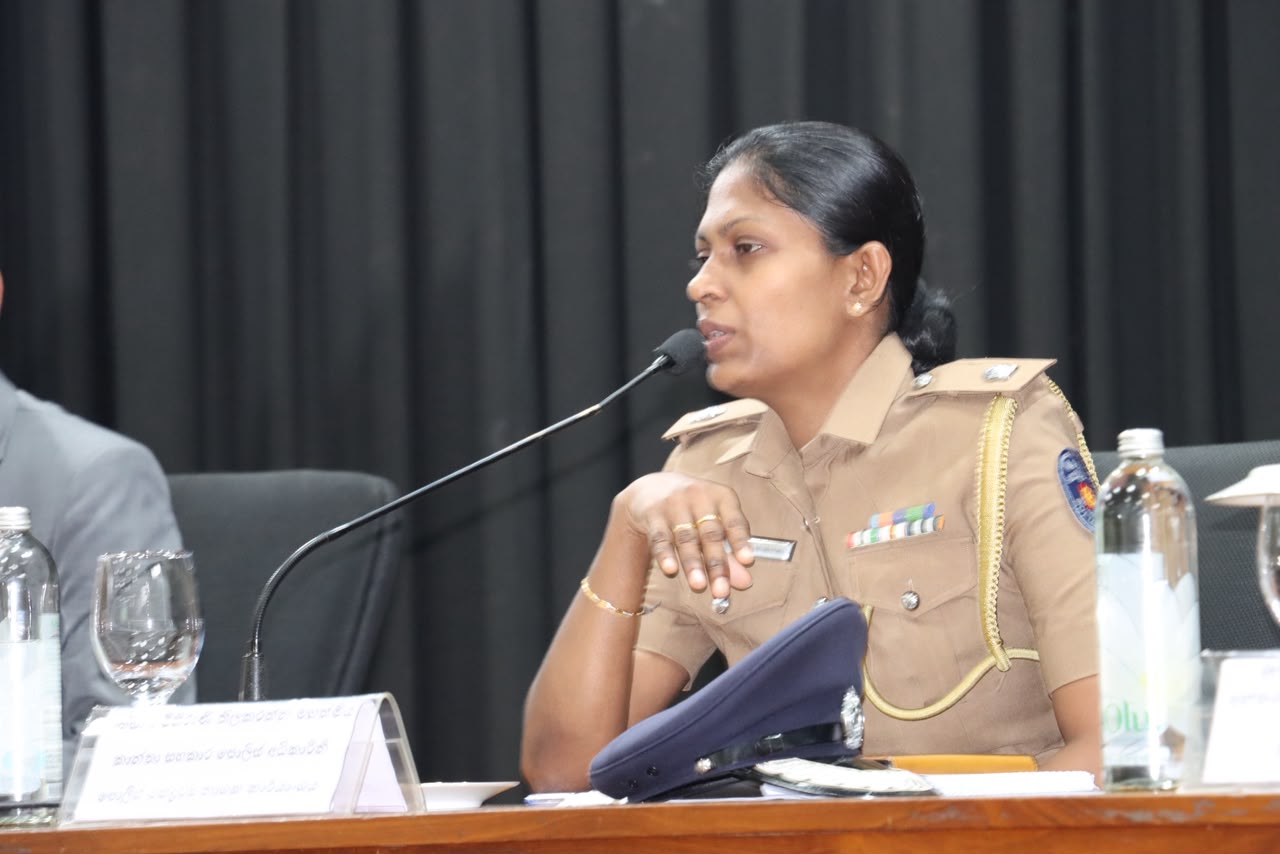
Woman Assistant Superintendent of Police Ms Mihirani Thilakaratne educated participants on the legal aspects of substance abuse, the responsibilities of the Police Narcotics Bureau, real-world social incidents stemming from drug abuse, and its dangerous facets.
Following the lectures, a special expert panel discussion was held under the leadership of Commissioner General of Rehabilitation, Brigadier M. S. Amith. The panel featured:
* Mrs Mihirani Thilakaratne (Woman Assistant Superintendent of Police, Police Narcotics Bureau)
* Dr Chaminda Virasiriwardena (Senior Psychological Counsellor and Psychotherapist)
* Mrs Buddhi Erandika (National Dangerous Drugs Control Board)
* Mr Hemantha Pradeep (Acting Chief Jailer, Kalutara Prison)
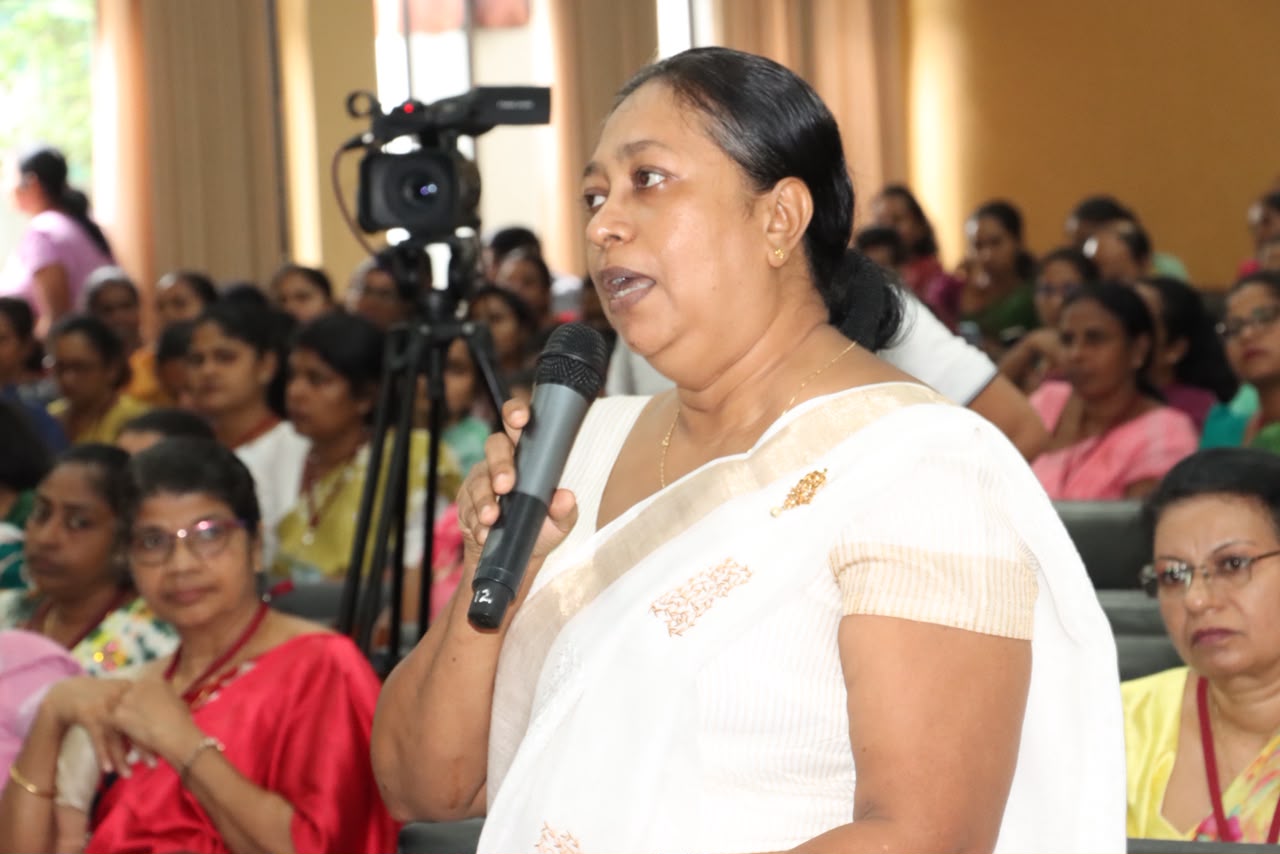
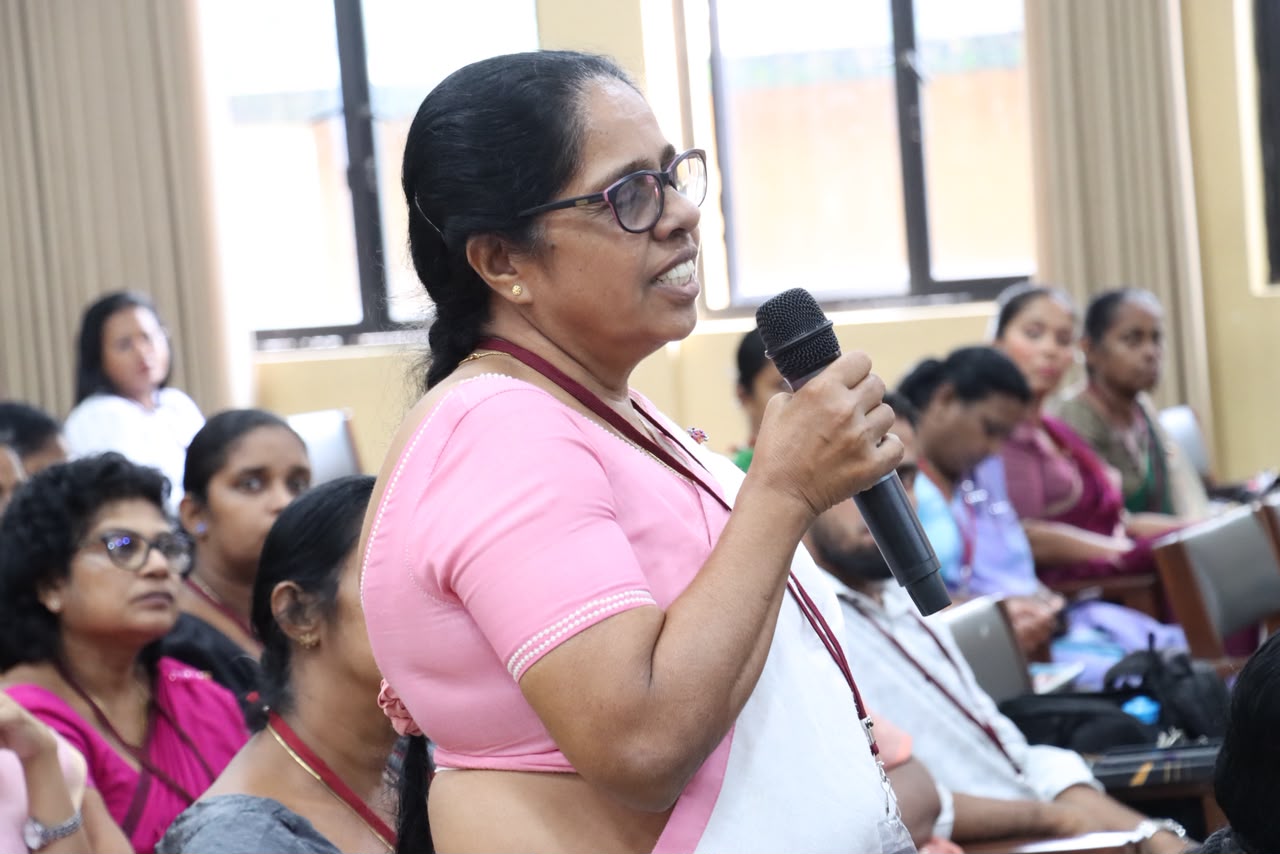
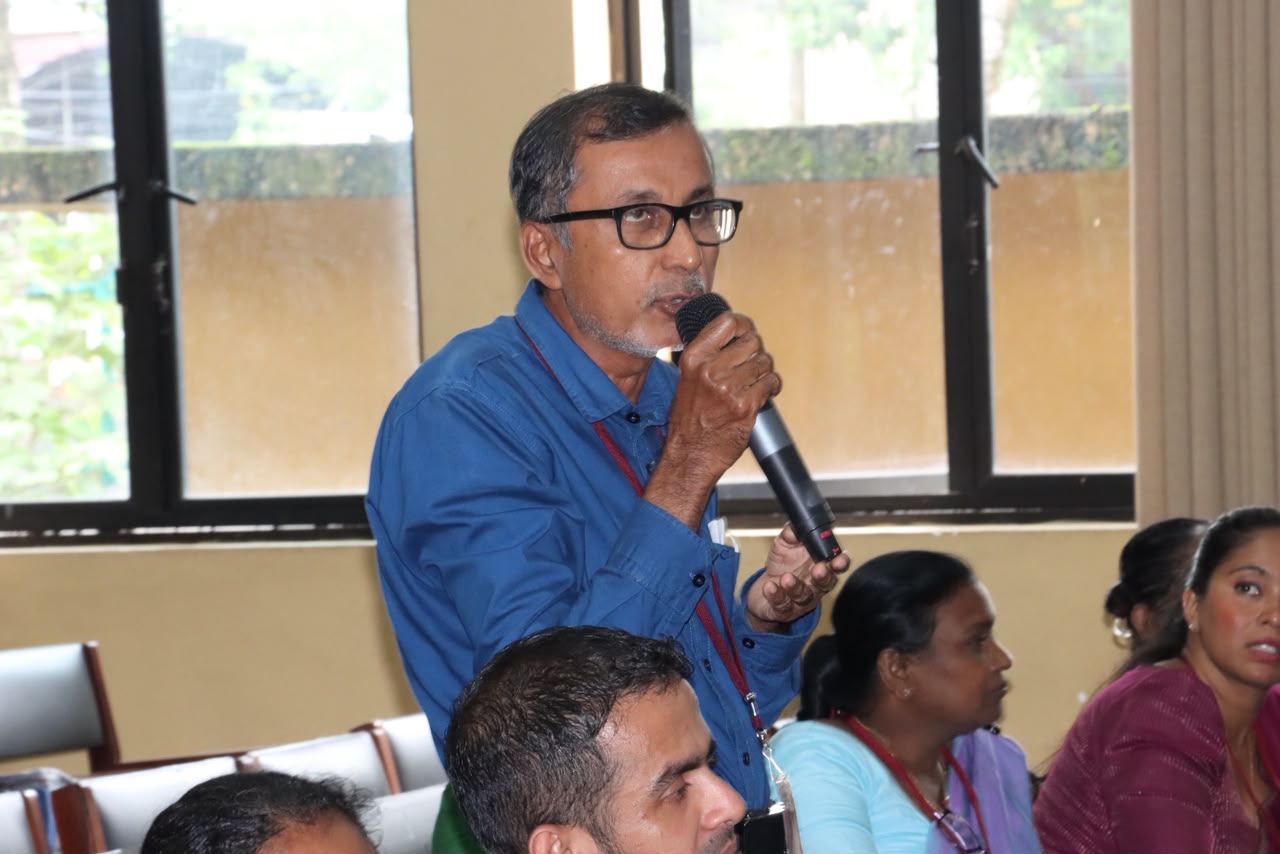
The discussion focused extensively on environmental and personal factors contributing to drug addiction, the influence of family backgrounds, the responsibilities of the school system, integrating drug prevention awareness into the educational curriculum, resolving challenges encountered during counselling, the contribution of counselling services, and the need to further strengthen the rehabilitation process.
The programme concluded successfully, underscoring the importance of building robust coordination among state institutions, the education sector, the health sector, law enforcement agencies, and the community to achieve the national goal of creating a drug-free society.